Navigating the 2026 World Cup's Expanded Knockout Stage: The Race for Best Third-Place Teams
The 2026 FIFA World Cup introduces a new format where eight best third-place teams advance to the knockout stage. Understand the criteria and the intense race for qualification.
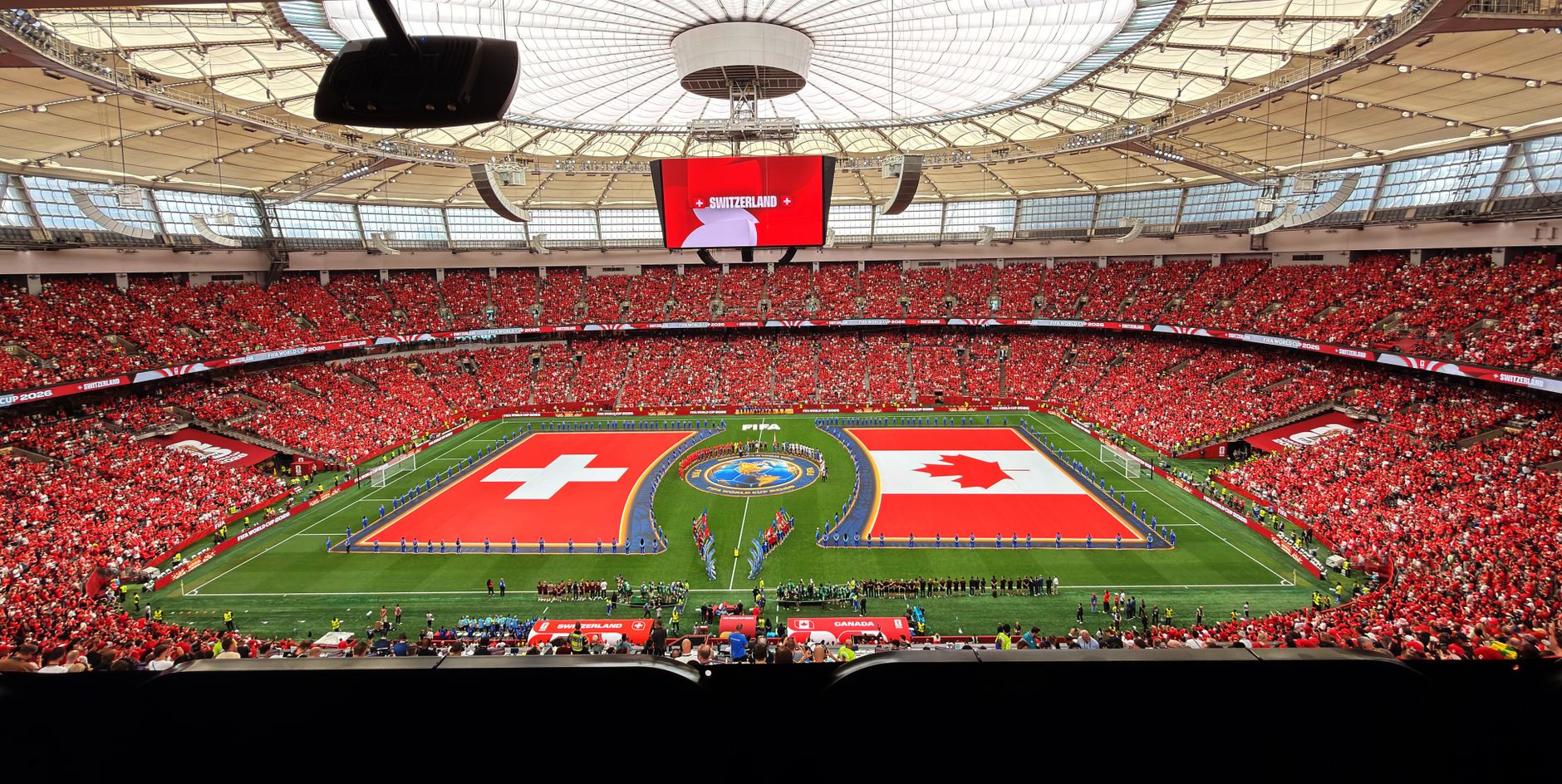
The 2026 FIFA World Cup marks a significant shift in tournament structure, expanding to 48 teams and introducing a novel pathway to the knockout rounds. For the first time, finishing third in a group doesn't automatically mean elimination from the tournament. This change adds a compelling layer of strategy and drama, as eight of the twelve third-place teams will now advance to the Round of 32, intensifying the final group stage matches and keeping more nations in contention longer.
What happened
With the expansion to 48 teams for the 2026 FIFA World Cup, the tournament structure has undergone a significant overhaul. The competition now features 12 groups, with the top two teams from each group automatically securing a spot in the 32-team knockout bracket. Crucially, the remaining eight spots in the Round of 32 are allocated to the highest-ranked third-place finishers across all 12 groups.
The criteria for determining these eight best third-place teams follow a specific hierarchy. Teams are ranked primarily by the total points they accumulate in their group matches. Should teams be tied on points, the next tie-breakers are superior goal difference in all group matches, followed by the most goals scored in all group matches. Further tie-breakers include the highest team conduct score (based on yellow and red cards) and finally, the FIFA World Ranking.
Why it matters
This new qualification pathway dramatically alters the stakes for teams heading into their final group stage matches. Nations that might have traditionally been eliminated after two losses or a draw now have a tangible incentive to fight for every point and goal, even if a top-two finish seems out of reach. This could lead to more competitive and unpredictable games throughout the group stage, particularly in the closing rounds, as teams vie for crucial goal difference or a better conduct score.
For fans, the expanded format means more matches and a prolonged period of suspense, with the 'bubble' teams' fates often decided in the very last moments of the group stage. It also offers more opportunities for smaller footballing nations to make a deeper run in the tournament, potentially leading to more 'underdog' stories and a broader representation in the knockout rounds.
- More teams participate, increasing global representation.
- Adds significant drama and stakes to final group stage matches.
- Offers a second chance for competitive teams not finishing top two.
- Complex tie-breaker rules can be confusing for casual viewers.
- Potential for diluted quality in some group stage matches.
- Extends the tournament duration, increasing player fatigue.
How to think about it
When tracking the 2026 World Cup, understand that every goal scored and conceded, and every card received, could be the difference between advancing or going home for third-place teams. For fans, it means paying close attention to the overall third-place standings, not just individual group results. For teams, the strategy shifts: even if winning the group is impossible, securing a draw or minimizing goal difference in a loss can be vital. Coaches will need to balance resting key players with the imperative to secure every possible point and goal, making tactical decisions even more critical in the final group stage fixtures.
FAQ
How many teams will compete in the 2026 FIFA World Cup?+
How many third-place teams will advance to the knockout stage?+
What are the primary criteria for selecting the best third-place teams?+
Get the week’s most important gadget news and reviews in one short email. Free, and no spam.
- news·3 min read2026 FIFA World Cup Quarterfinals Bracket: Key Matchups and Advancing Teams Revealed
The 2026 FIFA World Cup Round of 16 concludes, revealing exciting quarterfinals matchups. Discover which teams advanced, historic milestones, and the path to the semifinals.
- news·2 min readFIFA Faces Calls to Cancel World Cup Third Place Game
FIFA faces criticism for scheduling a third place game in the 2026 Men's World Cup, with fans questioning its relevance.
- news·5 min readColombia Faces Switzerland in World Cup Round of 16, Aiming for Quarter-Finals Repeat
Colombia's national team, with a strong defense, faces Switzerland in the 2026 World Cup Round of 16. Can they overcome a key injury and reach the quarter-finals?