Severe Storms Disrupt Chicago Area Fourth of July Celebrations, Causing Widespread Power Outages
Powerful storms swept through the Chicago area on July 4th, downing trees, causing extensive flooding, and leaving over 70,000 without power. Many holiday celebrations were canceled due to the…
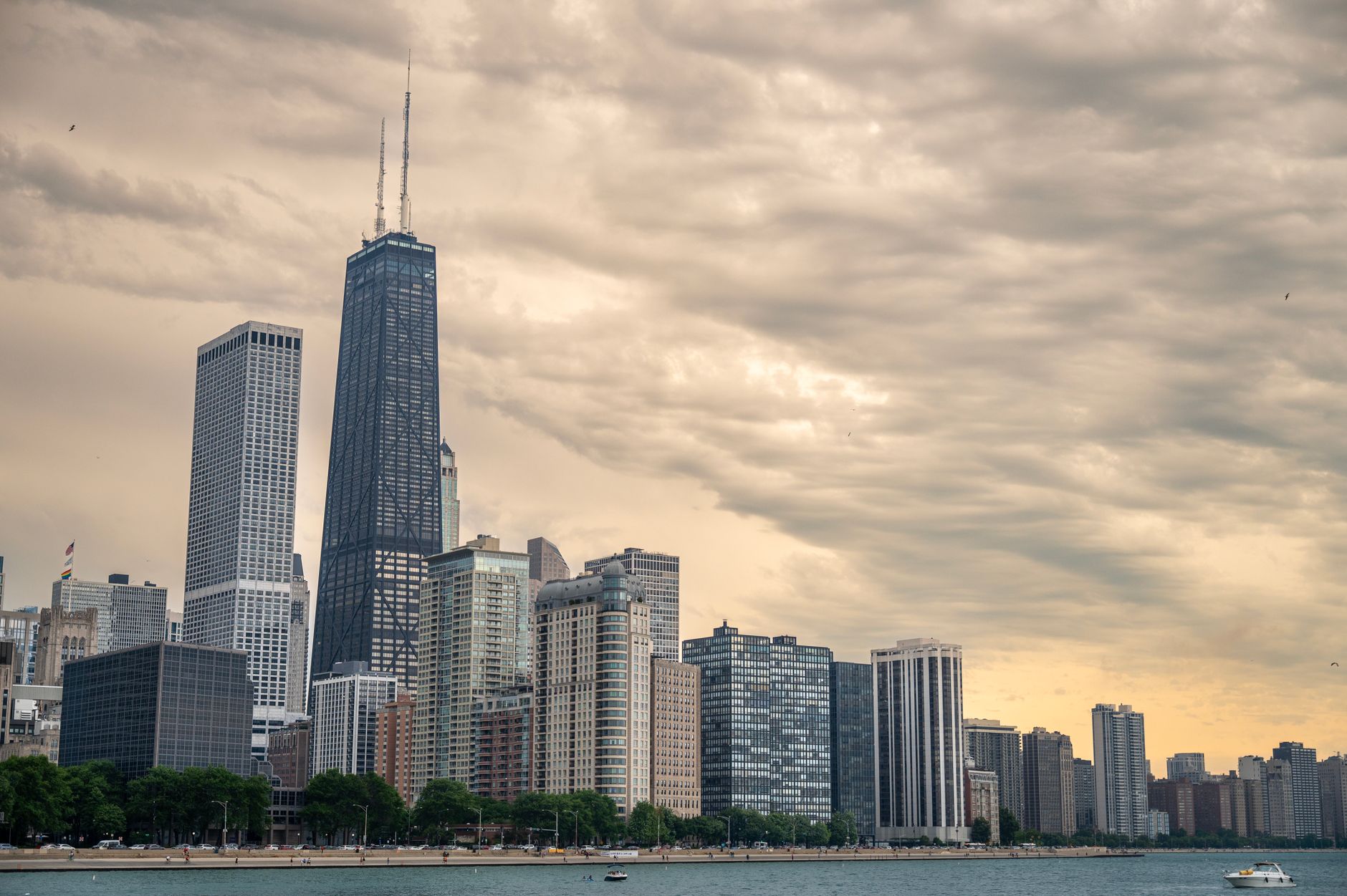
Powerful storms disrupted Fourth of July celebrations across the Chicago area, bringing wind gusts up to 70 mph, widespread flooding, and significant damage. Over 70,000 residents were left without power as trees were uprooted and infrastructure was compromised. The severe weather forced the cancellation of numerous holiday events, including fireworks displays and festivals, significantly impacting weekend plans for thousands. This event highlights the vulnerability of urban areas to sudden, intense weather phenomena and the critical need for robust emergency preparedness.
What happened
A line of powerful storms struck the Chicago metropolitan area on Friday afternoon, bringing wind gusts that reached up to 70 mph. The severe weather system rapidly caused extensive damage, including uprooted trees across multiple suburbs from Harvey to Sugar Grove, and left more than 70,000 people without electricity. Arlington Heights police reported numerous downed trees and intersections without power, prompting public works and first responders to address hazardous conditions.
The storms also brought heavy rainfall, leading to widespread flooding. Footage from Wrigley Field showed significant water accumulation during the Cubs-Cardinals game. Several major Fourth of July celebrations and events were canceled or postponed due to the inclement weather and resulting damage. Tinley Park's Country Fest, Wauconda's fireworks, and Oak Park's Taste of Oak Brook were among the many holiday festivities called off, with officials citing extensive flooding, safety concerns, and electrical hazards.
Beyond the immediate Chicago area, the storms also impacted nearby regions. In Wisconsin, near Lake Geneva, crews conducted searches for three missing children after a boat capsized during the storms. The Walworth County Fire Department reported multiple structural collapses and water rescues, indicating the broad reach and intensity of the weather system. Chicago residents were also advised to conserve water due to an Overflow Action Day Alert issued by the Metropolitan Water Reclamation District.
Why it matters
The sudden and severe nature of these storms underscores the increasing unpredictability of weather patterns and their immediate consequences for urban infrastructure and public safety. The widespread power outages, affecting tens of thousands, highlight the fragility of utility grids when confronted with extreme wind and rain. For residents, the disruption meant not only the loss of electricity but also the abrupt cancellation of cherished holiday plans, turning festive gatherings into moments of concern and inconvenience.
Economically, the cancellations of large-scale events like festivals and fireworks shows represent a loss for local businesses and tourism, which typically see a boost during holiday weekends. The resources diverted to emergency response, from clearing downed trees to managing flooded areas, also place a significant burden on municipal services. Furthermore, the tragic incident in Lake Geneva serves as a somber reminder of the life-threatening dangers posed by rapidly changing weather conditions on recreational waters.
- Rapid response from emergency services and public works.
- Timely warnings and alerts issued by local authorities.
- Community resilience in adapting to widespread disruptions.
- Widespread power outages affecting over 70,000 people.
- Significant damage to infrastructure, including downed trees and flooding.
- Cancellation of numerous Fourth of July celebrations and events.
- Risk to life, as tragically demonstrated by the boat capsizing incident.
How to think about it
When severe weather events like these strike, it's crucial for individuals and communities to prioritize safety and preparedness. Residents should have an emergency kit ready, including non-perishable food, water, flashlights, and a battery-powered radio. Staying informed through local alerts and official channels is paramount, and heeding warnings to avoid travel or outdoor activities during storms can prevent accidents. For those experiencing power outages, patience and communication with utility providers are key. This event serves as a stark reminder that even during holidays, vigilance against natural phenomena is essential for protecting lives and property.
FAQ
How many people lost power in the Chicago area storms?+
What kind of damage did the storms cause?+
Were any Fourth of July events canceled?+
Get the week’s most important gadget news and reviews in one short email. Free, and no spam.
- news·3 min readSevere Storms Bring Widespread Flooding, Power Outages, and Tragic Fatality to Chicago Area
Overnight storms caused severe flooding across the Chicago area, stranding drivers and knocking out power for thousands. A tragic fatality occurred, and some July 4th events were canceled.
- news·4 min readKentucky Declares State of Emergency as Flash Floods Claim Four Lives and Inundate Roads
Widespread flash flooding in Kentucky has resulted in four fatalities and significant infrastructure damage. Governor Beshear declared a state of emergency as rescue efforts continue amid more…
- news·2 min readVariable weekend weather in the Northeast: forecast, temps, and gear tips
Saturday brings clouds and rain, while Sunday clears up with 80°F highs. Plan your weekend activities and gear accordingly.