Middle East tensions push oil up 9% and send U.S. stock futures into mixed territory
U.S. futures swing as oil spikes 9% after Trump reinstates Iranian blockade, while earnings reports loom.
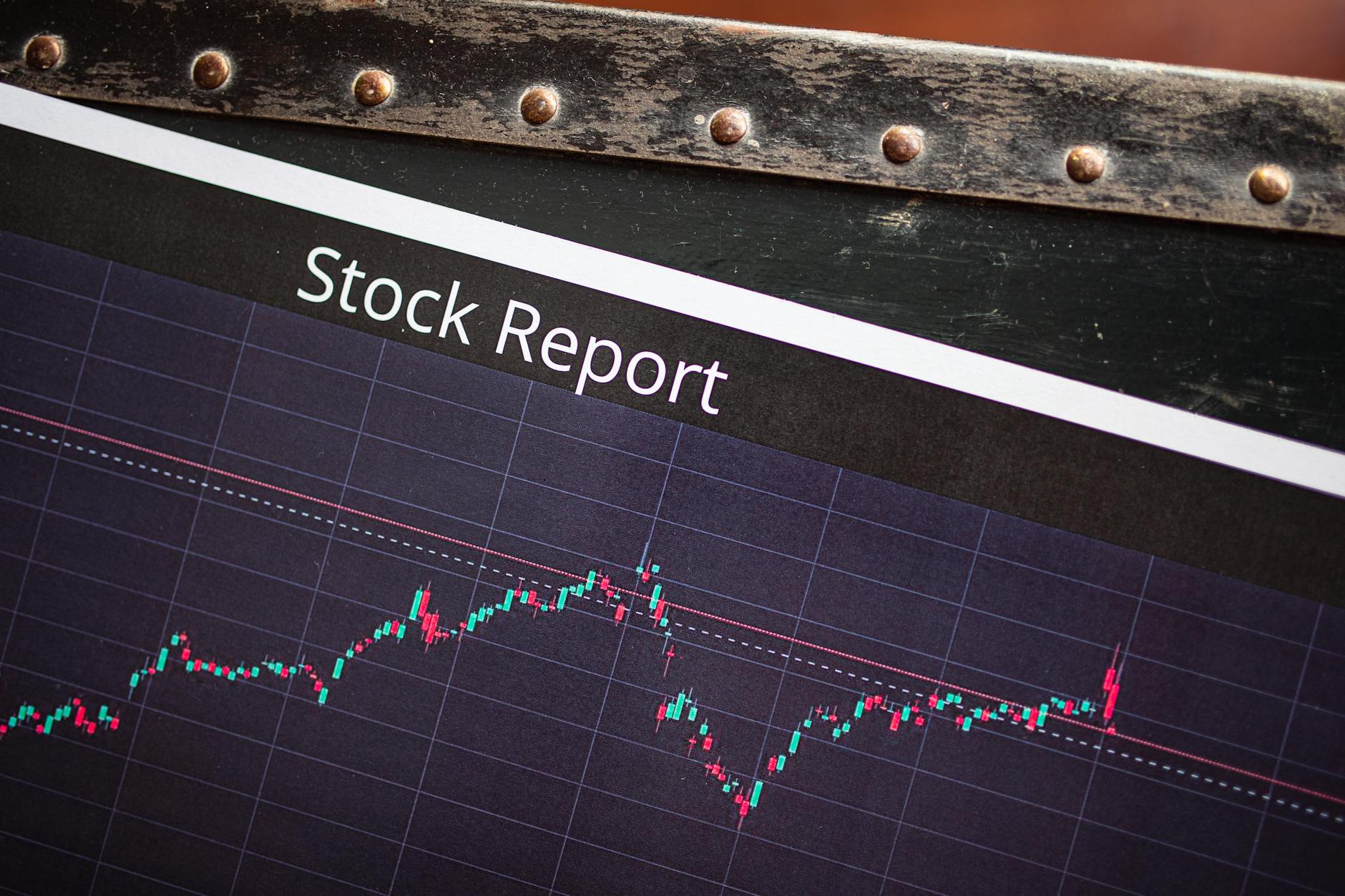
Heightened tensions between the United States and Iran erupted on Tuesday when President Trump announced the reinstatement of a blockade on Iranian shipping through the Strait of Hormuz. The announcement sent Brent crude soaring more than 9%, its biggest one‑day gain since 2020, and immediately rippled through equity markets. U.S. stock futures opened mixed: Dow Jones futures slipped 103 points (‑0.2%), S&P 500 futures were flat, and Nasdaq‑100 futures climbed 0.37%. Investors now face the dual pressure of volatile energy prices and a packed earnings calendar.
What happened
Dow futures fell 103 points, roughly 0.2%, while the Nasdaq‑100 futures rose 0.37% and the S&P 500 futures held steady. In regular trading the Dow pulled back more than 100 points (about 0.3%), the S&P 500 shed 0.8%, and the Nasdaq Composite dropped 1.6% as oil prices surged.
Across the Asia‑Pacific, markets were mixed: Japan's Nikkei 225 rose 0.15% and the Topix added 0.48%; South Korea's Kospi climbed 1.24% while the Kosdaq fell 1.75%; Australia’s ASX 200 slipped 0.44%; Hong Kong’s Hang Seng declined 0.54%; and China’s CSI 300 opened flat. Government bond yields rose, with European 10‑year yields up 4‑5 basis points, UK gilts hitting their highest since May, and Asian 10‑year yields adding 5‑8 basis points, except Japan where yields fell 7 basis points.
Major banks—including JPMorgan Chase, Goldman Sachs and Bank of America—were slated to report earnings before the market open, and analysts noted that the recent dip did not fundamentally alter a constructive outlook on the earnings season.
Why it matters
The oil rally inflates energy sector profits but also stokes inflation concerns, pressuring central banks to keep rates higher for longer. Mixed futures signal that investors are weighing short‑term geopolitical risk against longer‑term earnings momentum. The upcoming earnings reports will test whether corporate fundamentals can offset the volatility introduced by the Middle East flare‑up.
- Energy stocks stand to gain from higher crude prices.
- Clear market signal helps investors re‑balance risk exposure.
- Upcoming earnings provide a data point to separate hype from fundamentals.
- Rising oil prices may embed higher inflation into the economy.
- Geopolitical uncertainty adds volatility to equity and bond markets.
- Tech and growth stocks are vulnerable to the broader market pullback.
How to think about it
Treat the current environment as a two‑stage risk assessment. First, gauge sector exposure: consider adding or overweighting energy and commodity‑linked assets while trimming high‑beta tech positions that could be more sensitive to a market sell‑off. Second, monitor macro indicators—oil inventories, inflation data, and any further diplomatic statements—to decide whether the volatility is likely to be short‑lived or indicative of a longer‑term shift in monetary policy. Maintaining a diversified core and using stop‑loss orders can help protect against sudden reversals.
FAQ
How might the oil price surge affect my portfolio?+
Should I reduce exposure to tech stocks ahead of earnings?+
What indicators should I watch for further geopolitical escalation?+
Get the week’s most important gadget news and reviews in one short email. Free, and no spam.
- news·3 min readTrump’s 20% Hormuz toll spurs UAE and Saudi Arabia to fast‑track alternative oil routes
Trump’s 20% fee threat pushes Saudi Arabia and the UAE to accelerate new ports and pipelines, reshaping oil flow beyond the Strait of Hormuz.
- news·4 min readThe War on Terror's Enduring Legacy: A Path Toward Autocracy in America
The War on Terror, initiated after 9/11, fundamentally altered American civil liberties and governmental power, creating conditions that some argue could lead to autocracy. This analysis explores…
- news·2 min readJazz Chisholm Jr.'s go-ahead homer lifts Yankees over Dodgers in nightcap
Jazz Chisholm Jr. delivered a tiebreaking home run in the eighth, giving the Yankees a 2-1 win over the Dodgers in the doubleheader nightcap.